
6-DAY SAMBURU CULTURAL TOUR / WILDLIFE
From US$ 800 to US$ 1,510
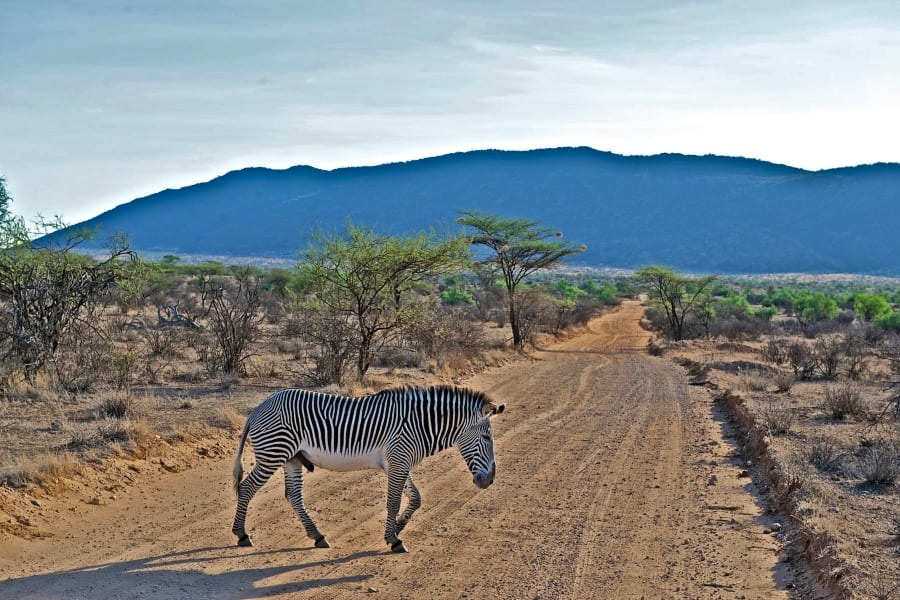
DAY 1: SAMBURU
Our driver-guide will pick you up from your hotel at 8:00 am or the airport and depart for the semi-arid Samburu Game Reserve. En route, stop briefly at the equator crossing point. Drive through the colorful Isiolo town. Then turn off the tar road and onto a well-maintained murram road as you enter the first game reserve, Buffalo Springs.
The temperature is high; the white murram road shimmers as we drive along, following the Ewaso Nyiro River. Doum palms line the riverbanks, offering some cool relief to a herd of breeding elephants taking refuge in the shade. Arrive in Samburu at your lodge in time for lunch. Relax after lunch and then take an afternoon game drive from 3:30 pm to 6:30 pm. Return to the camp by evening.
Dinner and overnight at the camp
DAY 2: SAMBURU
Wake up for an early morning game drive.
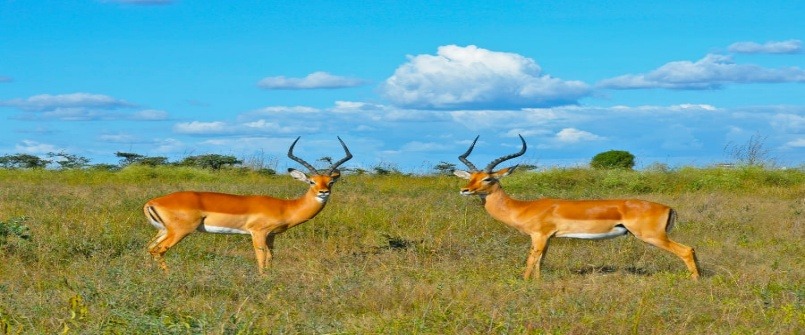
Samburu is famous for the Ewaso Nyiro River.
A vital lifeline sustaining huge populations of elephants, Nile crocodiles, and hippos in a semi-arid landscape.
There are also rare species rarely found together elsewhere, e.g., the reticulated giraffe, Grevy’s zebra, Beisa oryx, Somali ostrich, and gerenuk (giraffe-necked antelope). In addition the reserve is concentrated in many predators, e.g., leopards, cheetahs, and lions
DAY 3: NOMADIC CULTURE
The Samburu are known for their many unique cultural practices and traditions.
Some of these originate from their nomadic way of life.
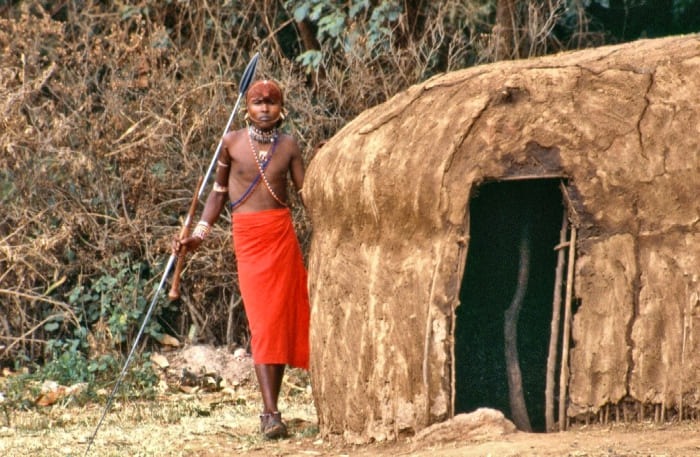
They live in huts that have no windows but only two holes, which serve to filter the light and let the smoke of the fire that usually burns inside be released outside; it is usually used for cooking.
The huts are built by women using interwoven sticks, mud, and cow dung; they can be easily dismantled and transported and mounted elsewhere. The interior of the hut is divided into two small rooms, one for the husband and sons, the other for the wife and daughters. A cluster of these huts, which form a village called “manyatta” in Samburu language, consists of four to ten families; a village is generally not permanent; it settles in one place for two months at most; after this, it moves to other places, in the constant search for new pastures for livestock
Return to the camp for lunch and prepare for an evening Game drive
DAY 4: SAMBURU COLOURFUL BEADWORK
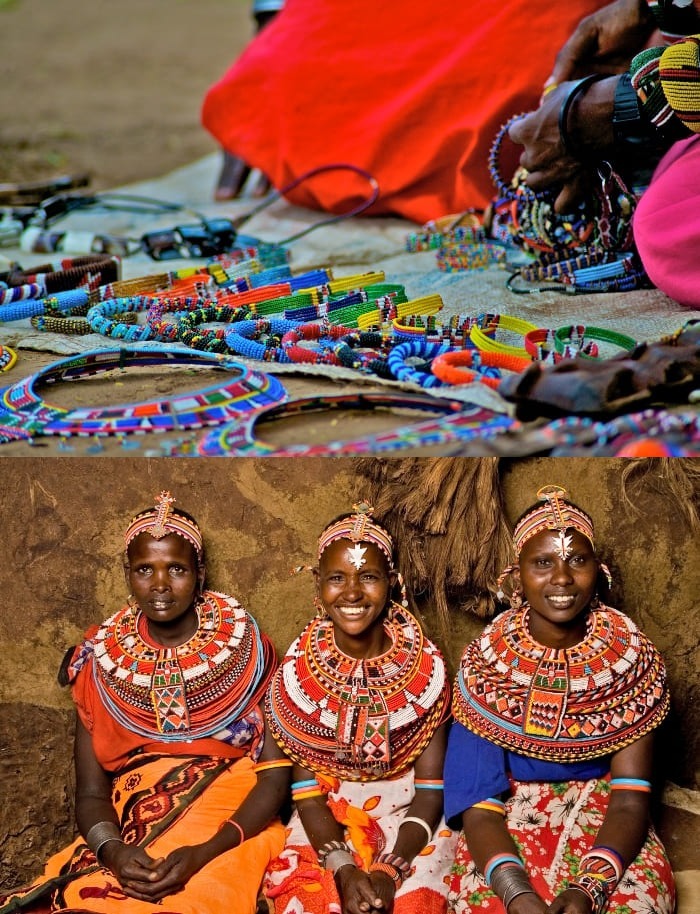
Beadwork is a handicraft business that harnesses the rich beading tradition of the women of the North.
Over 1,200 women participate in this practice with their young girls.
Join them for a couple of hours and learn this unique art, and if possible, buy souvenirs from them.
Return to the camp for lunch and evening game drive in this diverse landscape
DAY 5: VISIT THE MORANS
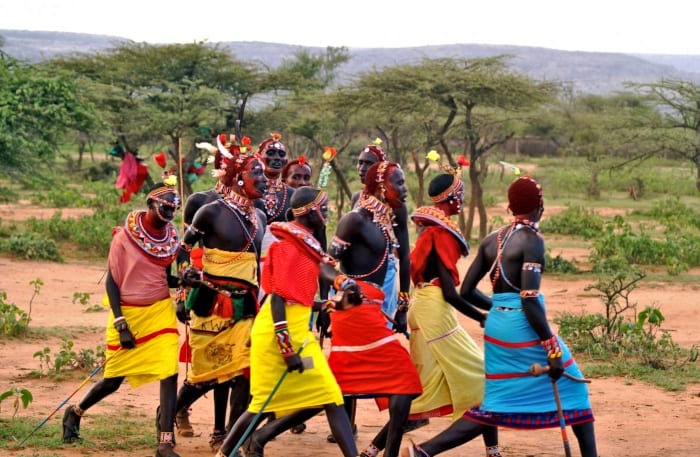
In every human setting, security is important, and that’s why among the Samburu we have Morans.
They are young men in the Samburu community who serve as protectors of their people and livestock.
Characterized by long, red-ochre hair, bright shukas, and intricate beadwork, they are a semi-nomadic age group responsible for defending against predators and rivals. They live in the bush, upholding traditions while embodying bravery and strength.
The Army will be glad to welcome you and share with you their survival tactics
Return to the lodge/camp for Lunch and prepare for a evening game drive and sundowner
Dinner and overnight at the camp/Lodge
DAY 6. DEPARTURE
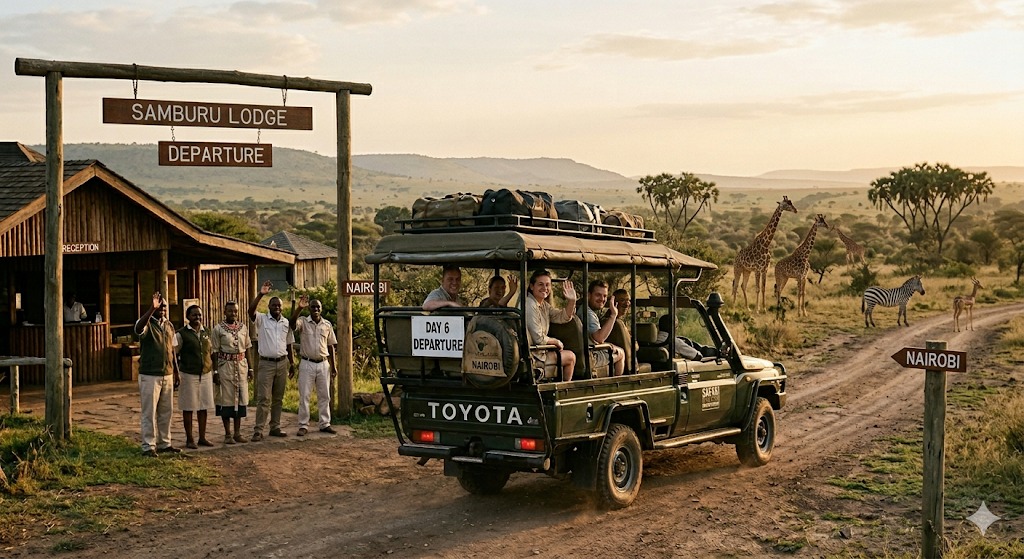
Enjoy an early morning safari game drive, followed by a relaxed breakfast back at the camp, followed by an onward departure back to Nairobi by road. Stop over at Nokra’s hotel for lunch.
Arrive in Nairobi by early afternoon, typically by 3:30pm. Drop off at your hotel or onward transfer to the airport for your flight home.
